Fabric Composition 101: GSM, Denier and Twill
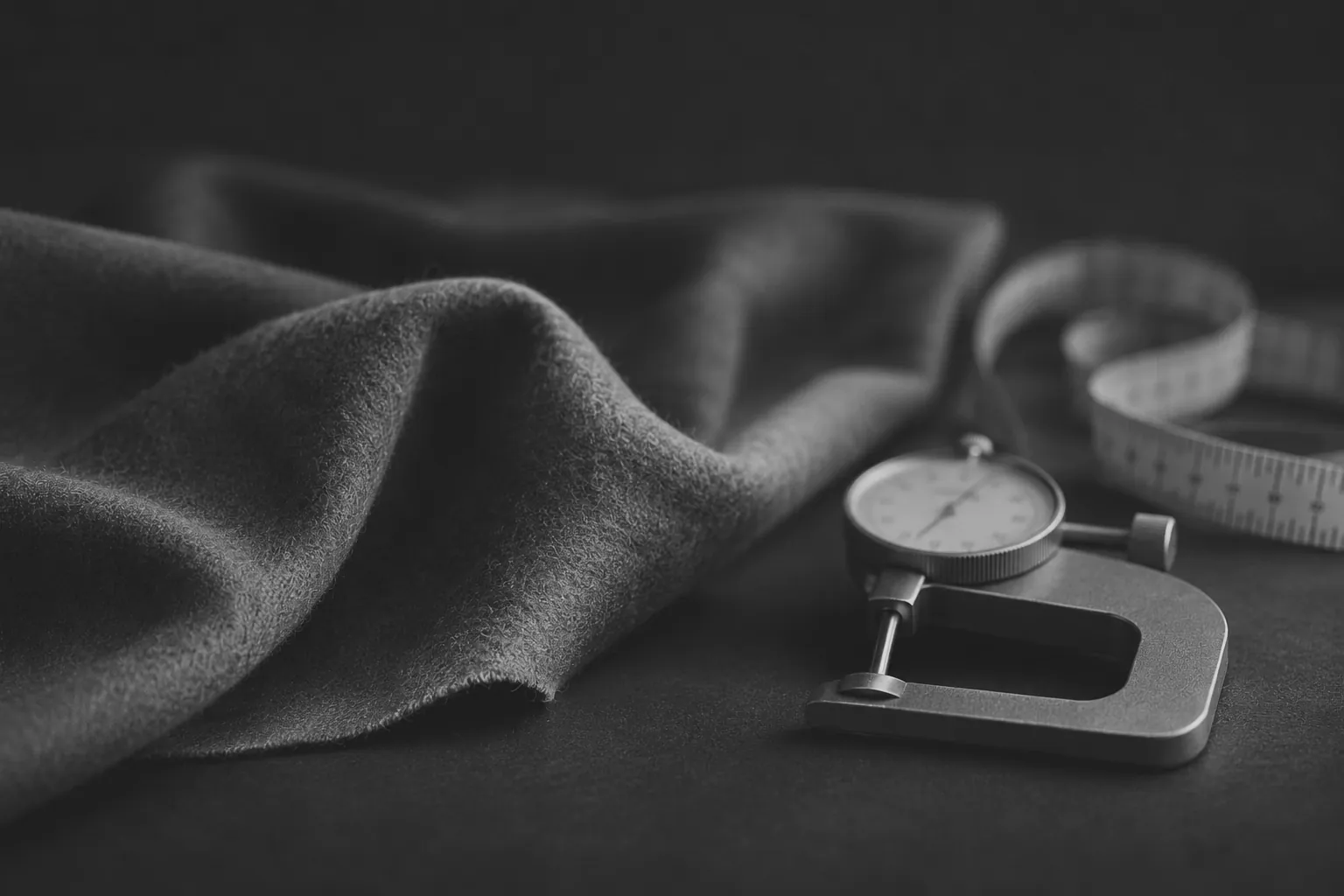
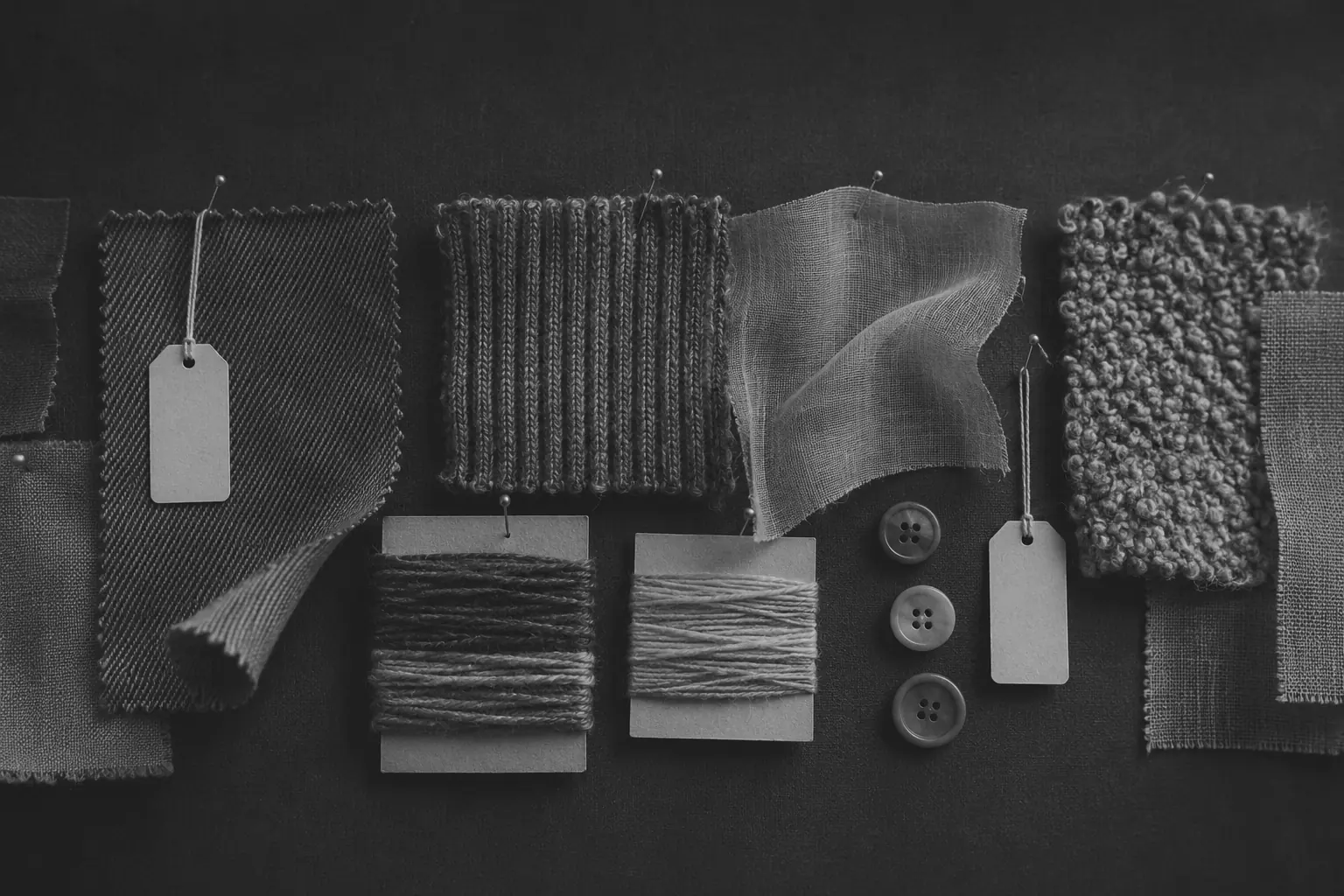
Three numbers and one weave name carry more real information about a fabric than any adjective ever could.
Tech packs, sourcing, timing, production — written from 20+ years actually doing this, not generated from a keyword list. Each piece links back to the reference pages (Method, Timing, Districts, Lexicon) instead of repeating them.
Twelve comments come back from one fit session, on three different garment areas, in no particular order. Reading them well is its own skill — and most of the confusion is avoidable.
Three numbers and one weave name carry more real information about a fabric than any adjective ever could.
"Nice hand, good drape" describes a feeling. A fabric spec describes something a mill, a factory and a costing sheet can all agree on.
Most collections don't fail on the runway — they fail three steps earlier, in material choices nobody ever wrote down.
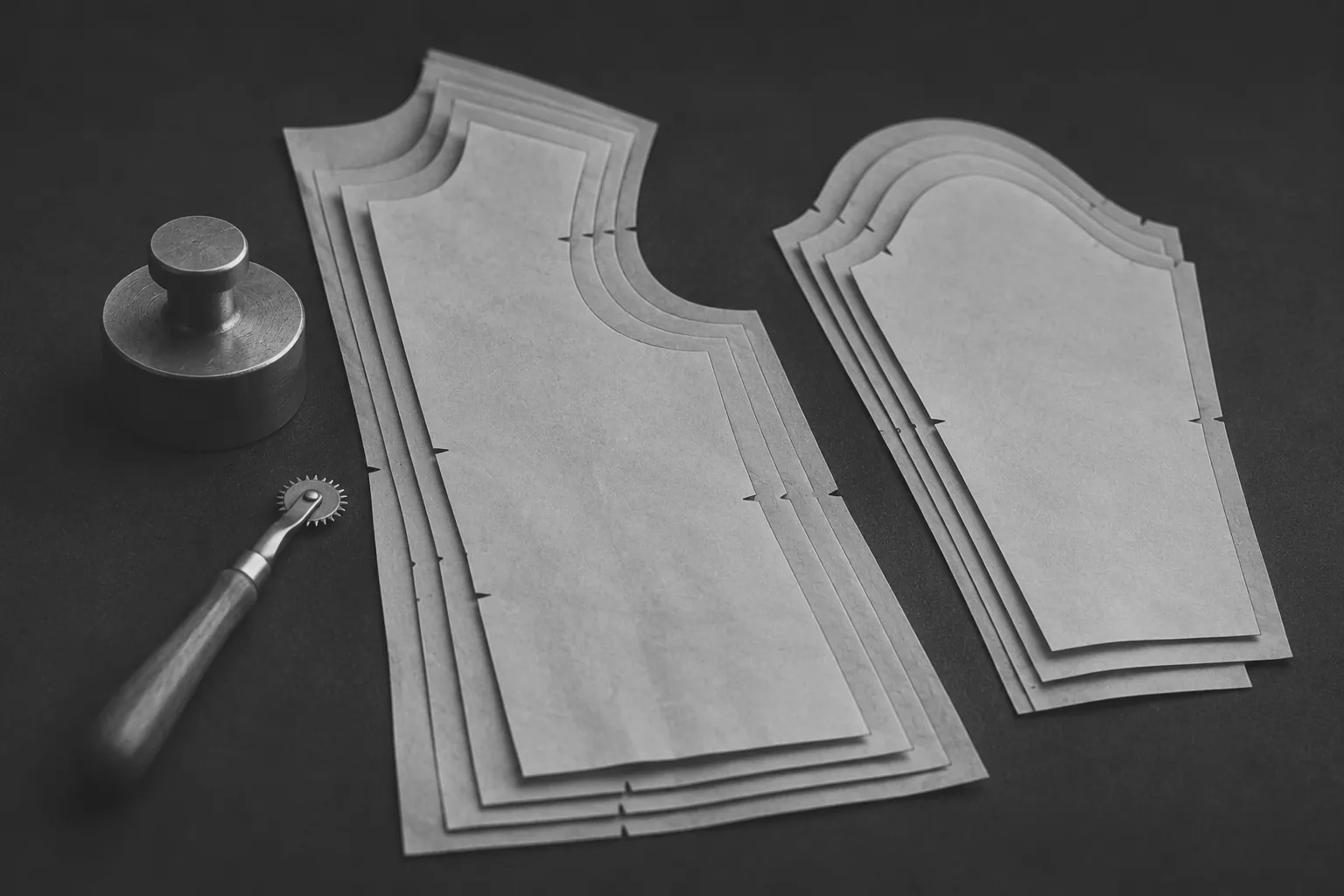
A hoodie fits perfectly in the sample size and wrong in every other size. Nothing about the fabric changed — only the grading did.
In Italian production chains, DIBA and BOM often get treated as two separate documents. They're not — and knowing that saves a lot of duplicated work.
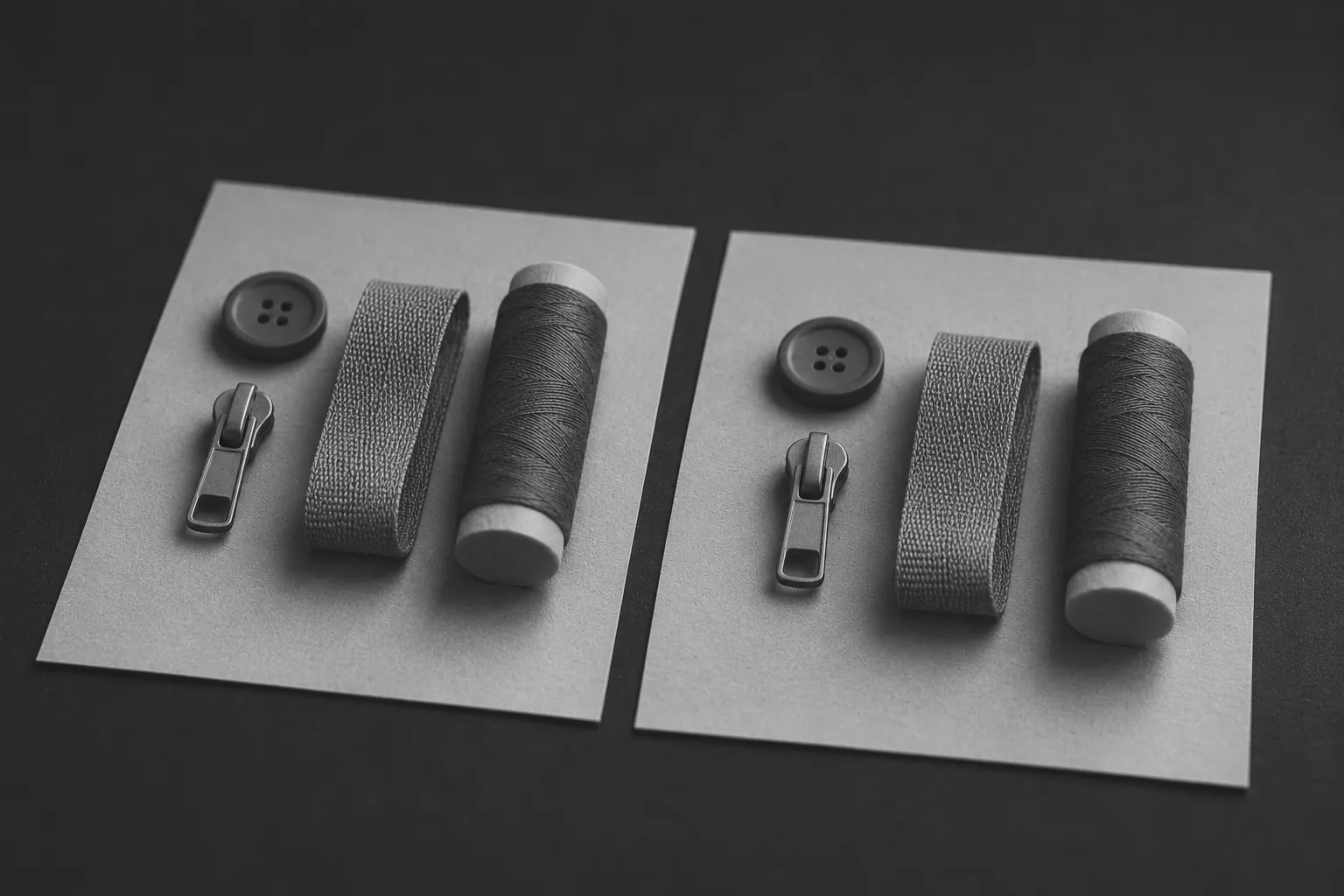
A BOM isn't a fabric list with a few trims added on top. Treated that way, it's exactly why costing sheets keep coming back wrong.
They get used as synonyms constantly. They are not the same document, and mixing them up is exactly how a production run slips.
A fit session gets pushed back a week to save time on a tight calendar. It rarely saves anything — it just moves the same problem to a more expensive stage.
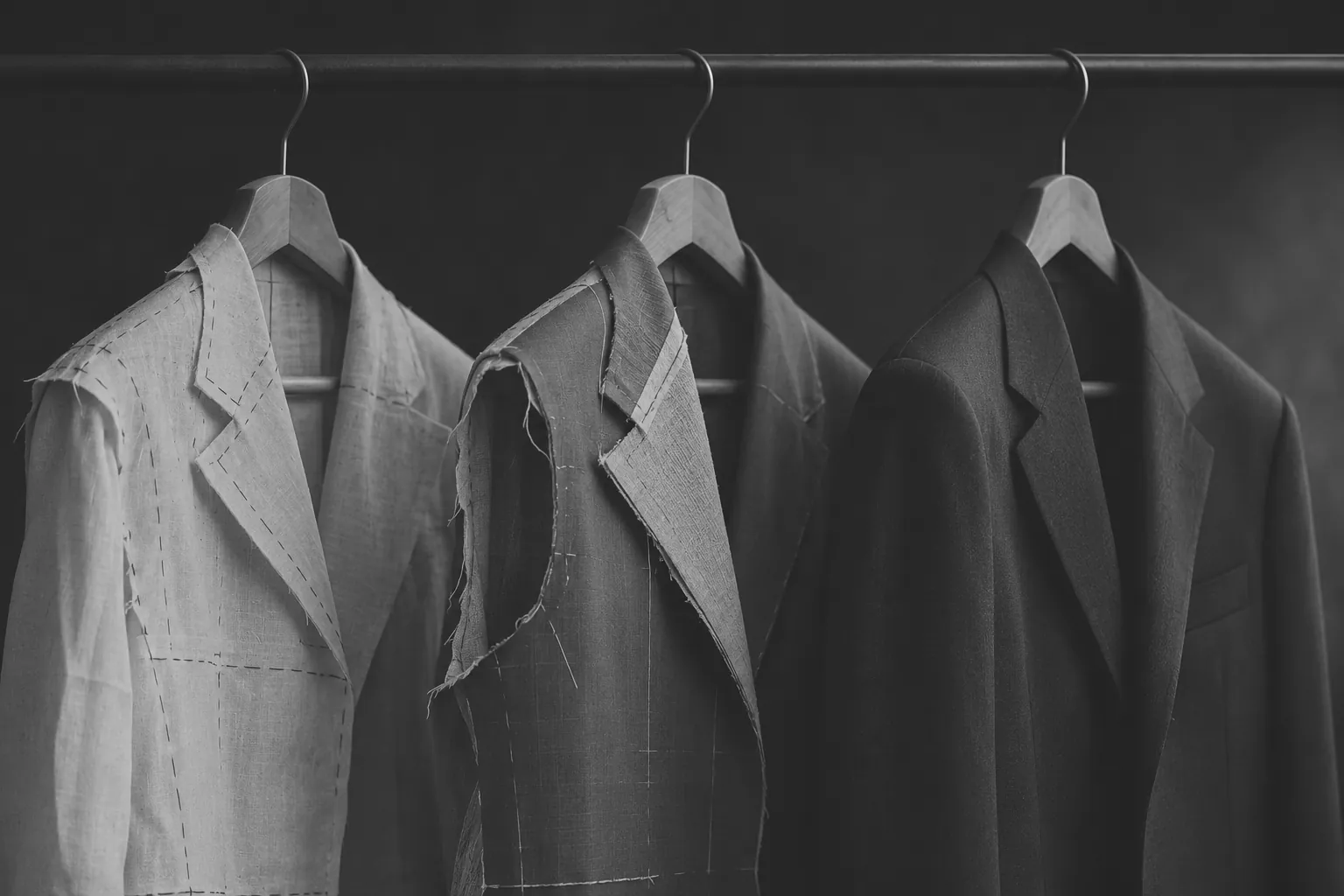
Three samples of the same jacket arrive in the same week, and someone asks why they're approving "the same thing" three times. They're not.