
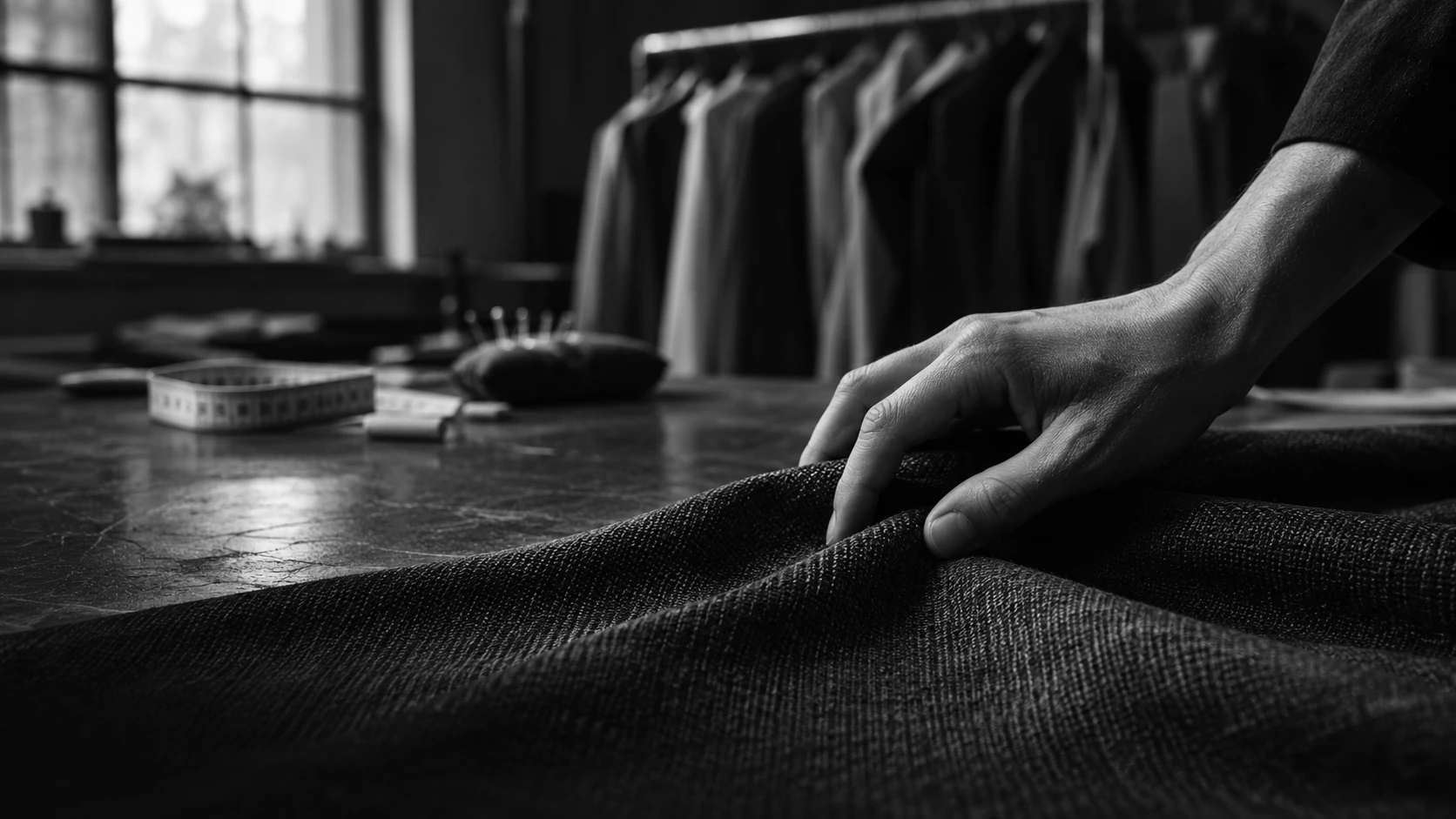
You can't fully design what you don't know.
A good designer isn't simply someone who can draw something beautiful. It's someone who has learned to look: to read materials, cultures and processes, and to connect them before the first sketch. This page is about a way of thinking about design. Tools change from season to season. This way of looking doesn't.
01Observe
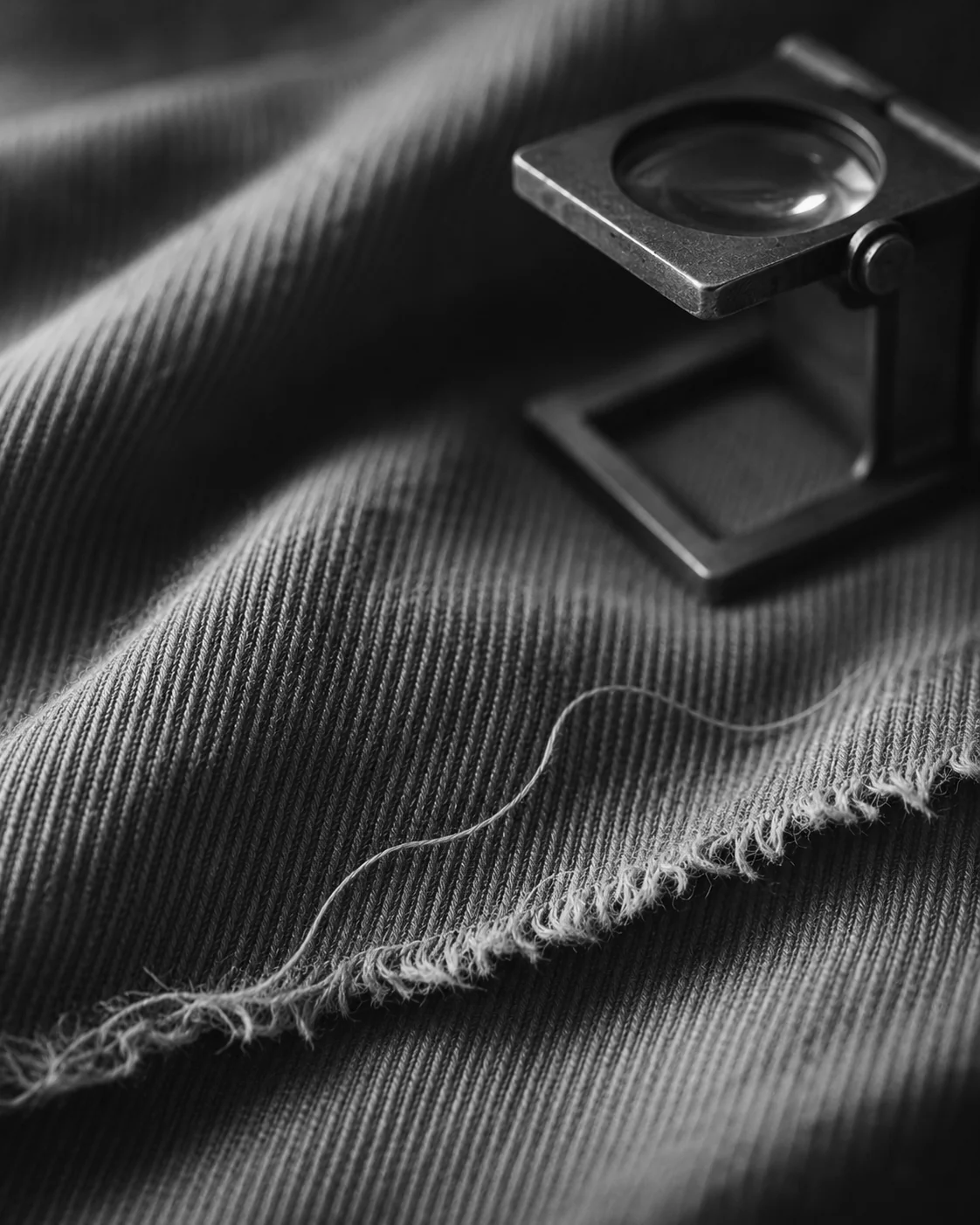
Sensitivity often begins as a predisposition, but it never stays as it is: it can be educated, refined and widened across an entire career. It's fed by the history of fashion, art, architecture and visual languages. And by matter itself: touching a fabric, seeing how it changes after washing, watching how a finishing process transforms a garment. There are possibilities the eye cannot see without the hands.
Knowledge expands creativity. It doesn't limit it.
02Interpret
Inspiration is a beginning, not a result. Collecting references isn't enough: you have to understand what makes an image interesting and decide what to take from it. Those who copy the answers stand still. Those who interpret them build a language.
Interpretation applies to identity too. For a brand starting from zero, it means building a language by combining different influences until a recognizable vision emerges. For an existing brand, it means reading its DNA, respecting its codes and carrying it through trends without being swept along by them.
Creativity doesn't always have to invent an identity. It can also recognize it, protect it and let it evolve.
03Connect
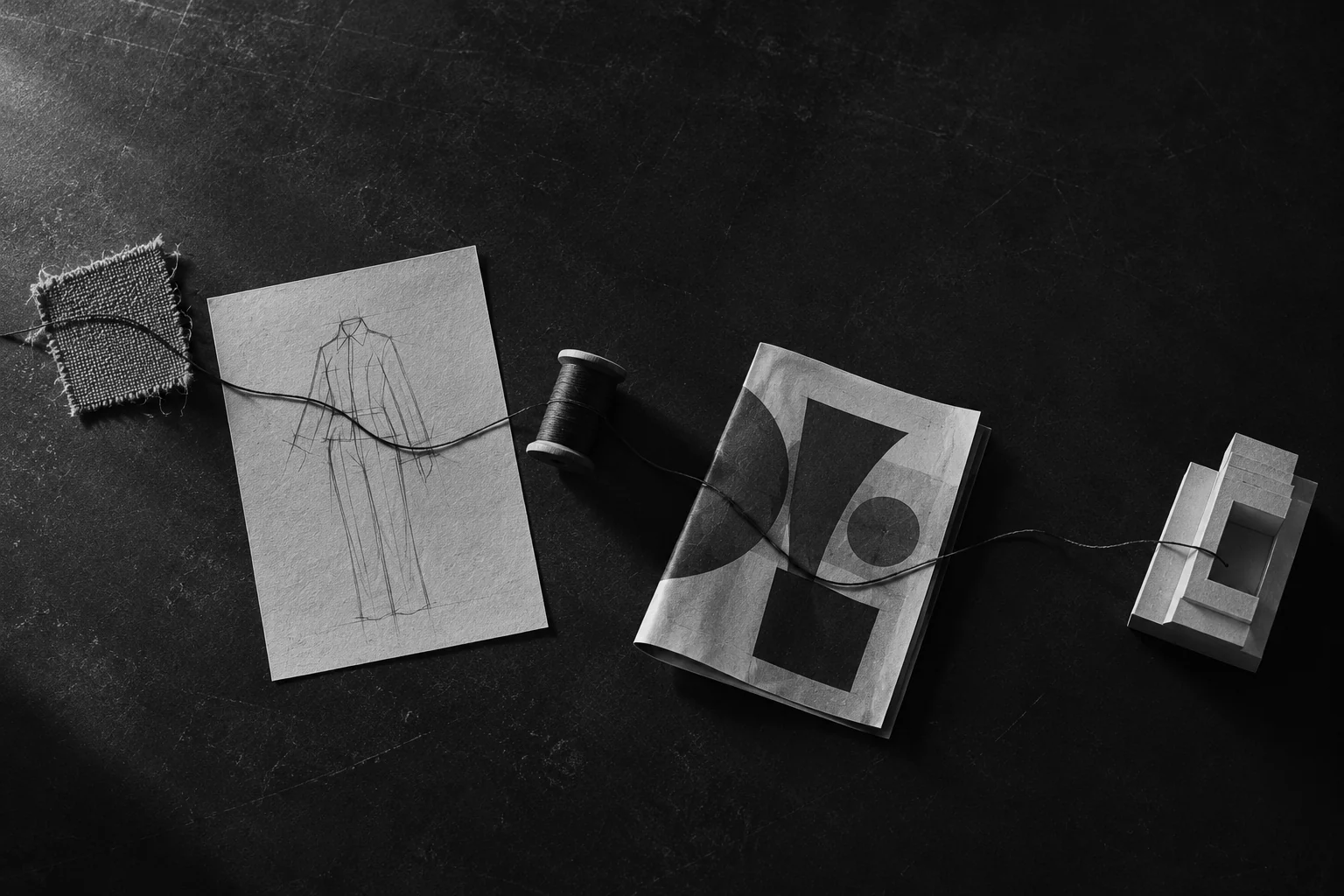
A project isn't the sum of separate choices. It's the quality of the relationships between aesthetics, material, function, culture and identity. Art can suggest a language, history a key to reading it, technology a new form, knowledge of a material a different way of conceiving a garment.
In fashion, culture and industry, aesthetics and matter are not separate worlds: they feed each other. The supply chain is creative from beginning to end, and every stage can spark an idea that the drawing table alone would never have reached.
04Explore and evolve
Staying within the familiar is comfortable, and it leads to repetition. To explore is to let yourself be surprised by a material, a technique, a language you've never used, without chasing every novelty. It's what makes evolution possible.
And evolution isn't only about materials and tools: it's about culture, sensitivity, taste, knowledge and the very way you think. Experience is an asset, but it must never harden into a formula.
Stop evolving, and you risk ceasing to be an artist.
A designer never stops becoming a designer.
05Evaluate
To evaluate isn't to say “I like it.” It's to ask whether a choice is coherent with what the project is meant to represent.
When you design for your own brand, personal taste leads and enters into dialogue with the story you're building. When you design for someone else's brand, personal taste remains a resource, but it works in service of an identity that may differ from your own. A good designer can develop a vision of their own, and has the maturity to recognize and respect a different one.
The quality of a choice is measured not only by how much it reflects the person making it, but by how coherent it is with what it must represent.
06Transform
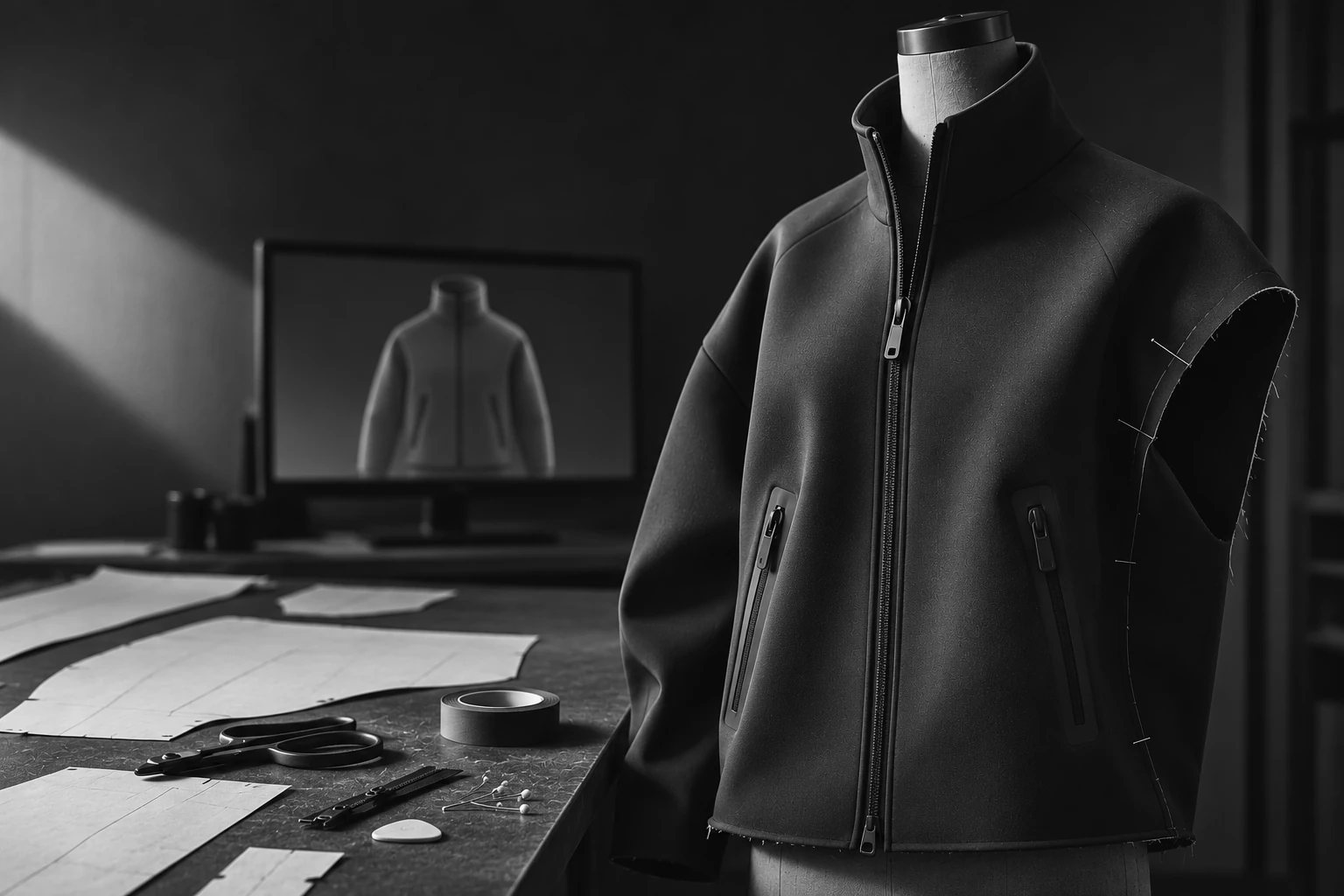
An idea is only finished when it can exist. A beautiful creative project that isn't designed to be made can die before it starts.
Feasibility doesn't come after creativity: it's part of design thinking from the very beginning. While designing, you already picture prototyping and production, because the choices made at the drawing table decide how many obstacles the next person will face. This doesn't mean giving up ambitious solutions. It means knowing what they demand.
A garment must reach the store without setbacks, true to the original creative project: with no loss of quality or identity along the way. A designer can help by removing avoidable production problems while still drawing.
Transformation has an old name in the workshop: alchemy, the art of knowing a material well enough to change it on purpose.
Beyond the tools
Software, machines and artificial intelligence keep changing, and they widen what is possible. They don't replace the eye, the judgment, the culture.
The way of thinking stays. Only the hand changes.
A way of seeing only counts when a factory can read it. Turning these principles into a collection that actually reaches production is the work.
Open — 1 of 3 client spots available. I work with a limited number of clients at a time, so every project gets real attention.
Talk through your collection's direction →